


The pancreas is part of the gastrointestinal tract and at the same time a gland with mixed secretion.When food enters the human digestive system, it responds by producing enzymes that are secreted into the duodenum and help break down the food in the intestines.In turn, the gland produces the hormones insulin and glucagon, which enter the blood and maintain normal blood glucose levels.
What is pancreatitis and its forms
Pancreatitis is an inflammation of the pancreas, in which the tissue of the gland becomes inflamed, the process of production and introduction into the intestines of the necessary enzymes is disrupted.The inflamed gland increases in size, its internal channels narrow, which does not allow digestive juices to pass into the duodenum.The enzymes that remain in the gland begin to break down the gland itself, which leads to sad consequences.
There is an acute form of pancreatitis, which is provoked by poor nutrition or inflammatory diseases in the body and does not last long with proper treatment.If the effect of irritating factors is prolonged or frequent, chronic pancreatitis appears, which can develop after an acute process.
The approach to the treatment of pancreatitis is complex, and a special diet plays an important role in it, without which the effectiveness of the treatment is extremely low.
Principles of diet for pancreatitis
The principles of the diet for acute pancreatitis are that fasting is generally recommended for the first 3 days.During this time, the necessary nutrition is given through intravenous infusions without irritating the intestines.Food entering the intestine always leads to an increase in the production of digestive enzymes, and in case of acute inflammation, it is important to reduce this activity as much as possible;after a few days, the diet is gradually expanded.At first, only plain water is allowed, sometimes mineral water, preferably alkaline water, weak tea.
Then, for chronic pancreatitis from the 3rd day, and for acute pancreatitis after the 5th day, the following provisions are used:
- frequency of meals at least 5 times a day to ensure the uniform release of enzymes without significant stress and to reduce inflammation;
- the amount of fats and carbohydrates is reduced as much as possible and protein products are added;
- the volume of food at the same time is not more than 150-200 ml;
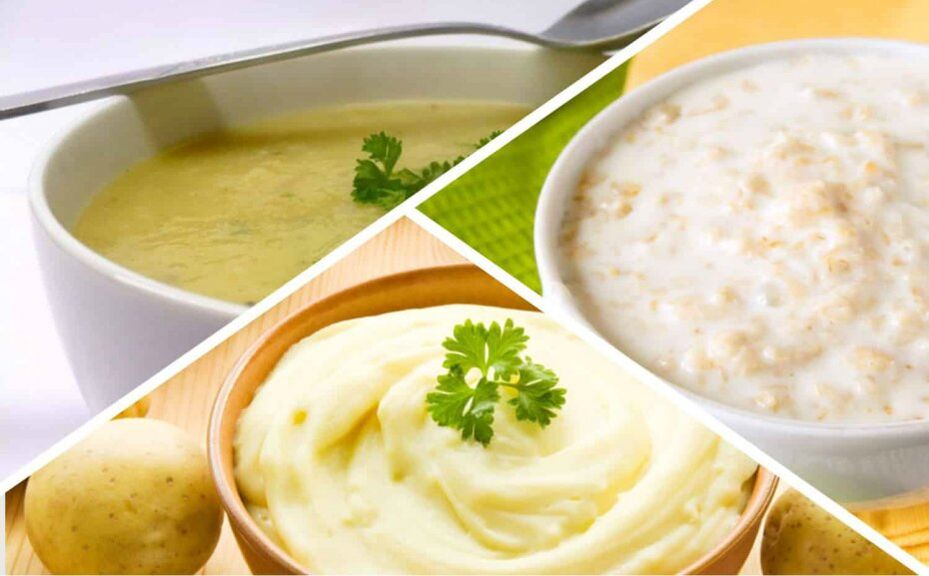
- use warm food 20-60 degrees in crushed or pureed form;
- chew your food thoroughly and take your time;
- Do not drink during meals, limit salt to 4-5 grams per day;
- exclude foods that cause bloating;
- For the purpose of saving chemicals, you can not use spices and hot spices;
- Use only boiled or baked foods and do not use fried, smoked or canned ingredients.
Features of the diet for pancreatitis
It is important to remember that the diet for pancreatitis of the pancreas must be followed constantly, otherwise the body will react with repeated inflammation and the consequences will be negative.In acute pancreatitis, the condition can be very serious and death cannot be excluded.
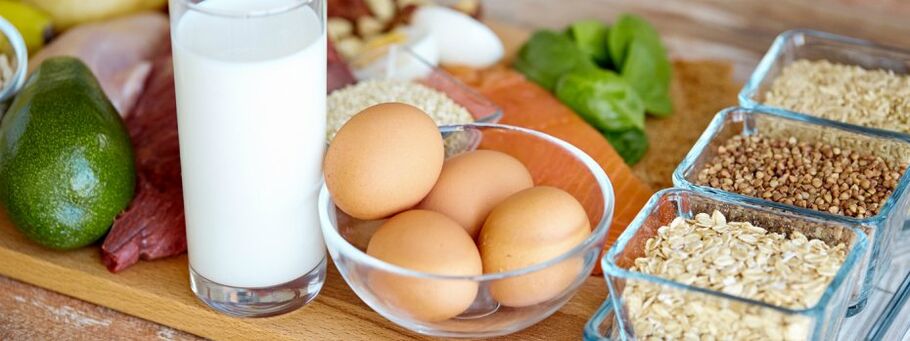
Against the background of an increase in the percentage of protein products in the diet, the main part of them should be animals in the form of turkey, chicken or young beef.Carbohydrates should be a little more than 300 grams per day with a limit of sugar or regular jam, fats in a minimal amount, protein products make up more than half of the diet.
Allowed and prohibited foods in the diet for gastric pancreatitis
There are a large number of foods allowed in the diet for gastric pancreatitis, so the diet can be as varied as possible:
- boiled or roasted rabbit meat, beef and poultry (low fat), boiled tongue;
- lean fish such as cod or pollock, boiled, baked or in soufflé form;
- various cereals, preferably rice or oats as part of porridges, soups or casseroles;
- bread after drying in the oven, cookies, boiled pasta;
- milk and lactic acid products, diluted with a low fat content as an addition to the main products or cottage cheese casserole, diet cheese and cottage cheese from skimmed milk;
- boiled or baked vegetables - potatoes and pumpkins, root vegetables, beets or carrots, fresh pumpkin;
- eggs (only the whites) in the form of an omelet or casserole, vegetable oil in bulk;
- unsweetened baked or baked fruit, jelly or berry puree;
- weak drinks, diluted juices, rose fruit drinks.
In a diet during exacerbation of pancreatitis, the following foods are prohibited:
- fried or grilled meat, all offal;lamb or goose, lard and smoked meat, boiled in jars;
- marinated seafood, rich fish juices or canned foods;
- dishes prepared from legumes and rich juices;
- fresh bread, baked goods, fried pies;
- yogurt with natural fat, cream, non-skimmed milk in large quantities;
- garlic, mushrooms, radishes are strictly prohibited (fresh radishes and vegetables are limited);
- egg yolks and fresh natural butter;
- a large amount of fresh sweet fruits, cabbage and sorrel;
- coffee, strong tea, concentrated lemonades and any carbonated drinks, alcohol of any strength or energy;
- ice cream, cakes with butter, chocolate, any sweets;
- hot spices, marinades, sausages and smoked meats.
Diet contraindications for pancreatitis
Considering the characteristics of the diet for gastric pancreatitis, there are also contraindications for it.
They concern patients with kidney disease or protein metabolism disorders:
- with pyelonephritis or glomerulonephritis with decompensation of the process;
- patients with urolithiasis;
- in acute or chronic renal failure;
- in case of gout and purine base metabolism disorders;
- in the presence of multiple myeloma;
- with hormonal imbalance or problems with the thyroid gland;
- for precancerous background diseases, as excess protein is dangerous for malignancy;
- with severe obesity or diabetes, especially with diabetic nephropathy, that is, kidney damage.
By increasing the amount of protein products in the diet, the load on the kidneys increases and in the presence of chronic diseases, their work is disrupted.
Diet for pancreatitis: the menu for the week
Let's consider a diet menu for a week for acute or chronic pancreatitis of the pancreas.
Monday
- Breakfast.Water porridge made from ground buckwheat, boiled chicken breast.Curd pudding, weak tea.
- Lunch.Fruit puree, shaken in a blender, cookies.
- Dinner.Creamy rice soup, steamed beef cutlets, apricot jelly.
- The snack.Carrot Casserole with Tea.
- Dinner.Fish pate with oats.Apple compote.
- Before sleep.Grape juice.
Tuesday
- Breakfast.Mashed potatoes with ground beef.Cookies, fruit tea.
- Lunch.Protein omelet, carrot puree.
- Dinner.Buckwheat soup with rabbit meatballs.Zucchini Casserole, weak tea.
- The snack.Chopped beetroot salad, fruit juice with breadcrumbs.
- Dinner.Steamed Turkey Cutlets with Baked Rice Porridge.Apple jelly.
- Before sleep.Rose juice.
Wednesday
- Breakfast.Oatmeal without sugar.Carrot Casserole with Tea.
- Lunch.Baked apples with crackers and apricot juice.
- Dinner.Hake fish soup, mashed potatoes with sour cream.Pear jelly with croutons.
- The snack.Zucchini Casserole with Tea and Biscuits.
- Dinner.Steamed rabbit cutlets with mashed buckwheat porridge.Currant compote.
- Before sleep.A glass of kefir.
Thursday
- Breakfast.Rice Pudding with Braised Beef.Tea with cookies.
- Lunch.Boiled beetroot salad with yogurt and biscuits.
- Dinner.Lean chicken and buckwheat soup.Vegetable meatballs, fruit jelly.
- The snack.Cottage cheese with sour cream, tea with marshmallows.
- Dinner.Polish vegetable casserole.Dried fruit compote.
- Before sleep.Apple juice.
Friday
- Breakfast.Crushed Oatmeal Porridge with Steamed Beef Cutlets.Tea with fruit pudding.
- Lunch.Steamed fish, apple jelly.
- Dinner.Rabbit soup with boiled meat.Pumpkin casserole with sour cream, tea without sugar.
- The snack.Egg white omelette with apple juice.
- Dinner.Rolls with turkey meat and vegetable stew.Tea with cookies.
- Before sleep.Ryazhenka is low-fat.
Saturday
- Breakfast.Boiled pasta with chicken pate.Tea without sugar.
- Lunch.Pumpkin porridge with sugar-free yogurt.
- Dinner.Pumpkin and beef puree soup.Zucchini stew and blueberry jelly.
- The snack.Apple puree, a cup of kefir.
- Dinner.Boiled fish cutlets with oats.Tea with cookies.
- Before sleep.Apricot compote.
on sunday
- Breakfast.Beef and vegetable casserole.Ryazhenka with cookies.
- Lunch.Pudding with cottage cheese and fruit puree.
- Dinner.Pumpkin and potato soup.Oatmeal chicken meatballs.Fresh fruit compote.
- The snack.Sugar Free Tea Carrot Pudding.
- Dinner.Casserole with Cod and Zucchini.Apple jelly.
- Before sleep.Fresh fermented baked milk.
It is necessary to remember when creating a menu and preparing food that the products must be fresh, and the cooking methods must be boiling or baking.It is not advisable to combine different proteins at the same time and small portions are recommended to reduce the load on the pancreas.
Diet for pancreatitis: reviews by nutritionists
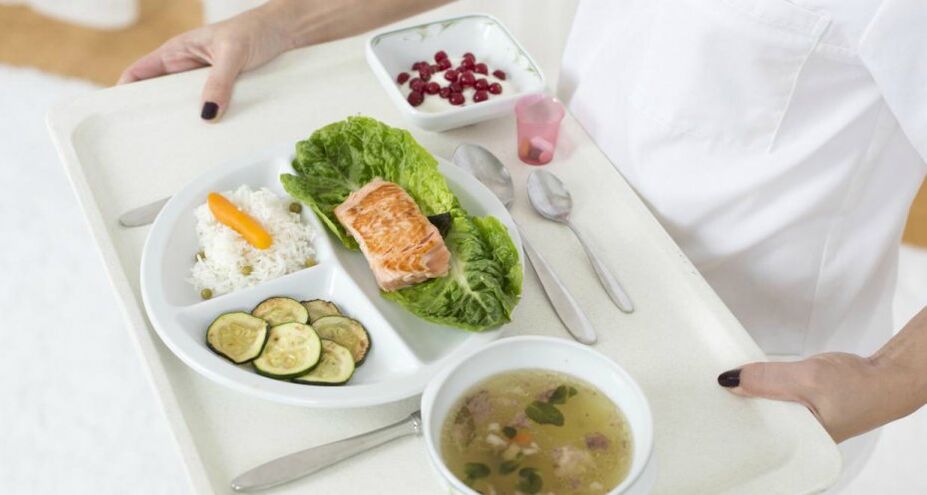
Feedback from nutritionists about the diet for pancreatitis is as follows.Its main details are aimed at reducing the nutritional load on the gland and reducing the production of digestive fluid, which supports inflammation.In addition to these effects, such a diet prevents diseases of the liver and biliary tract, as it normalizes the frequency of bile secretion in the intestines.However, against the background of the restrictions, you should remember about a sufficient amount of vitamins in the diet to avoid vitamin deficiency.
If the patient's body lacks its own enzymes, the absorption of nutrients from food is reduced.To correct the absorption of nutrients, preparations containing the necessary enzymes in granular or encapsulated forms are used.Special medicinal capsules stimulate the action of enzymes in a specific place in the digestive system for maximum effect.
In acute pancreatitis, maximum grinding of food is important, but in chronic pancreatitis, in order to maintain the physiological functioning of the digestive tract, food should not be completely chopped or mashed, although heat treatment should be without frying or grinding.The more balanced the diet, the less likely it is to have negative results.In case of acute pancreatitis, the diet should be followed for at least 2-3 months;in case of chronic disease, it is recommended to follow it for the whole life.